
A Place to Be Present at Rumah Harumi, Ubud
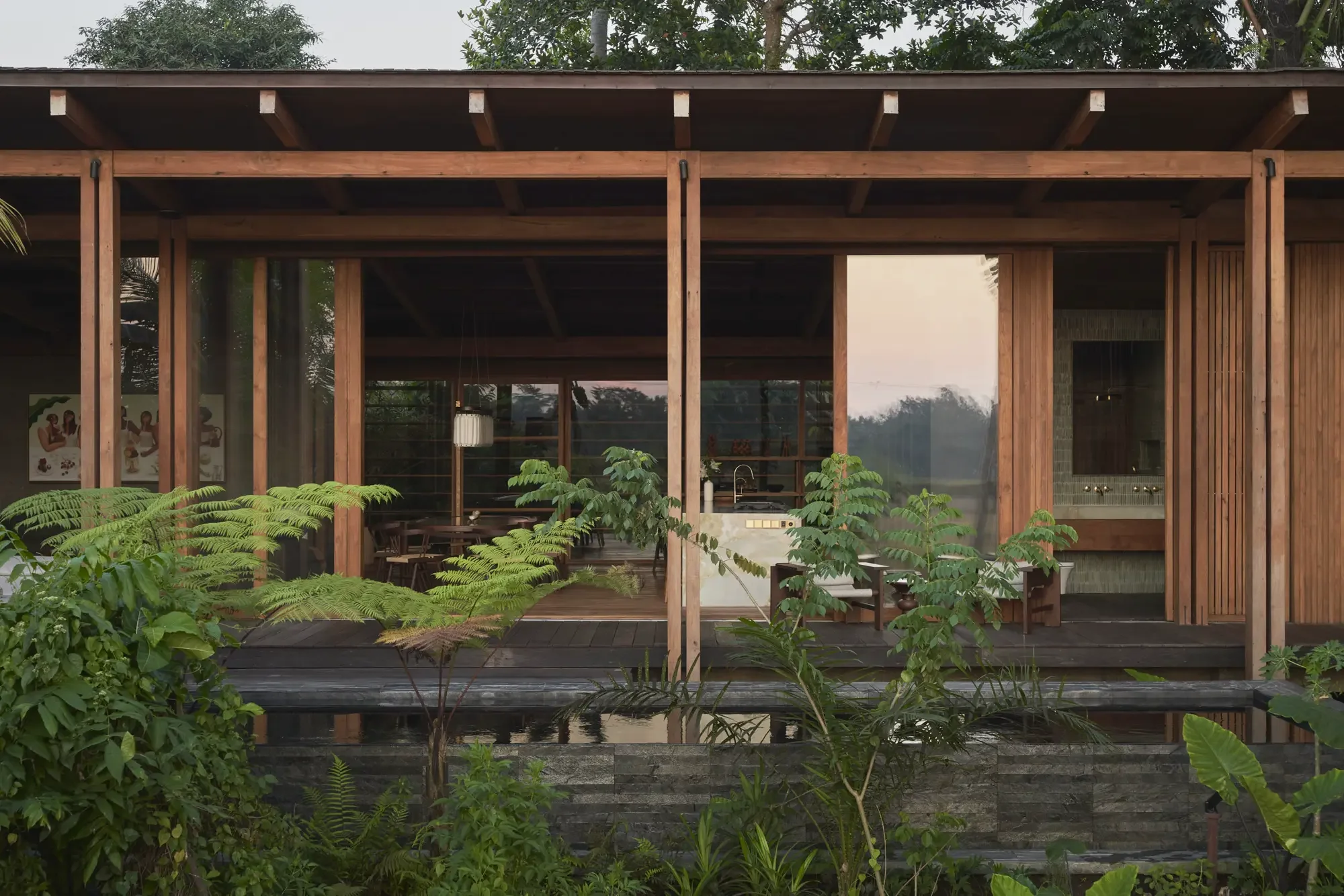
I have stayed in many beautiful places, but Rumah Harumi felt different from the moment we arrived.
There was an immediate sense of peace within the house, something difficult to explain, but unmistakable. It was not only the architecture, the natural materials or the view across the rice fields to Mount Agung. It was the way the home seemed to settle us.
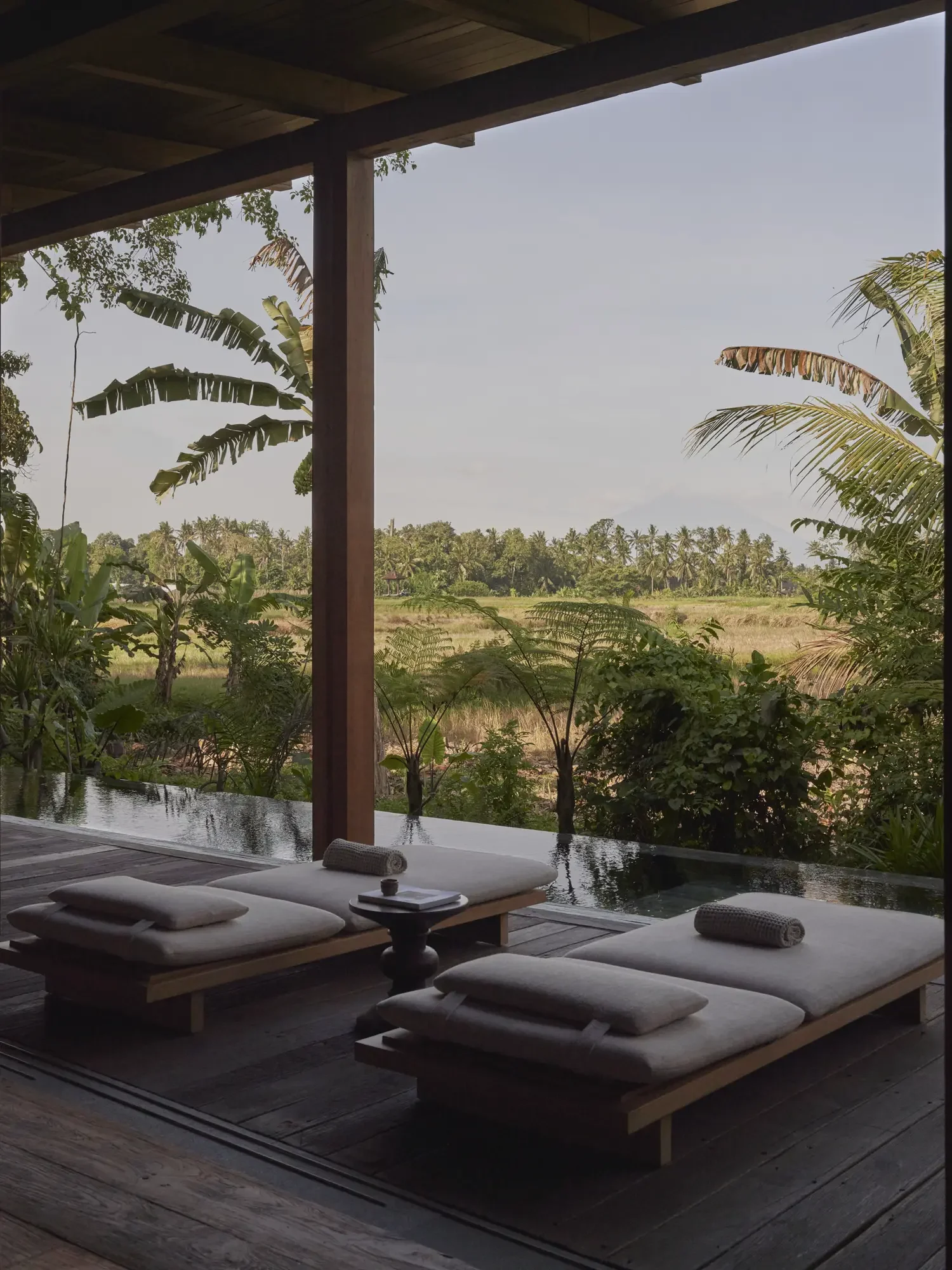
We had arrived with the usual energy of travelling as a family, yet life quickly became quieter there. Mornings began with the sounds of birds and other wildlife in the rice fields, a cup of tea in hand and soft light on our faces, followed by a refreshing swim. The doors opened onto the garden and pool, and the spaces between the kitchen, living room and outdoors allowed us to move through the day without any real separation between inside and out.
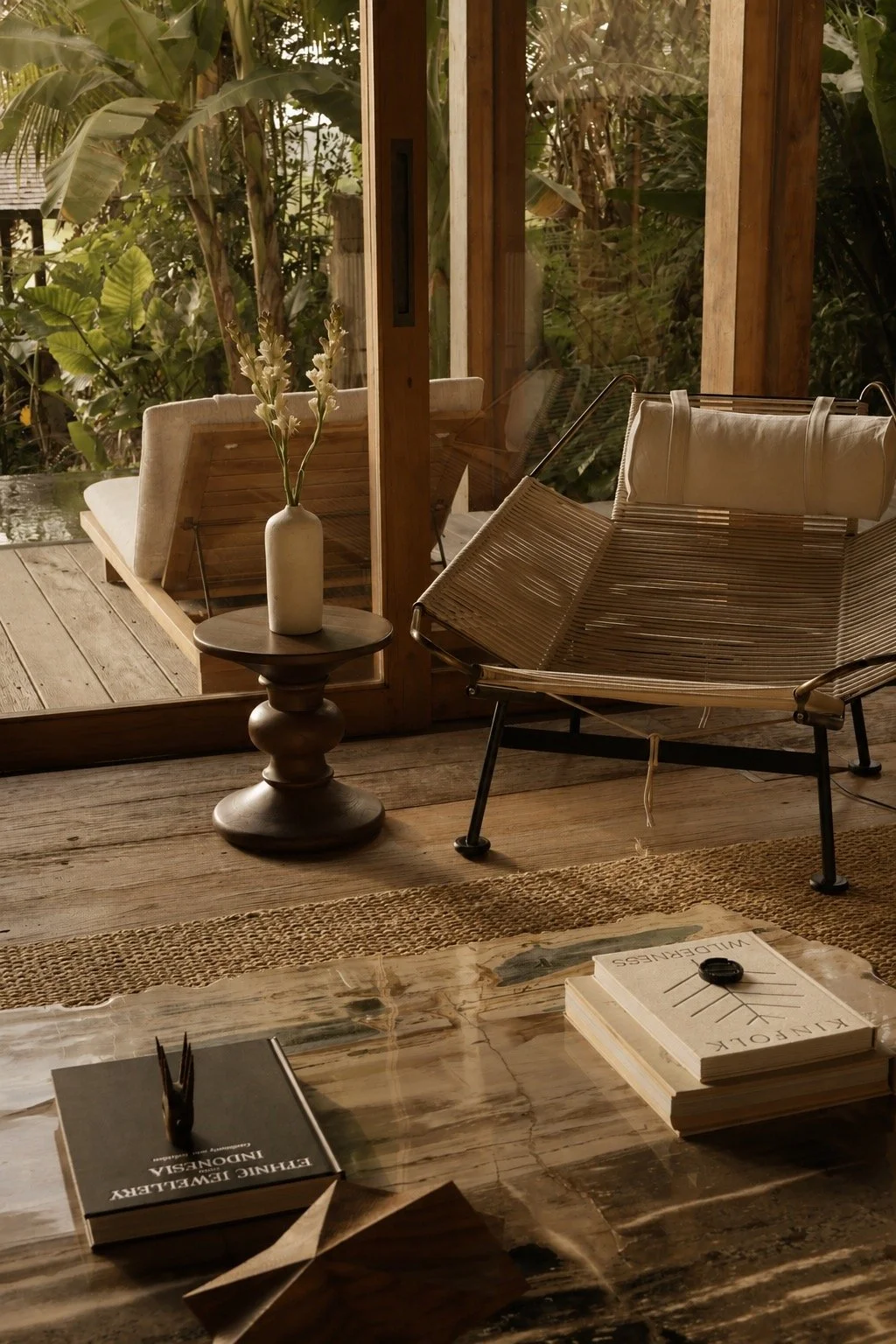
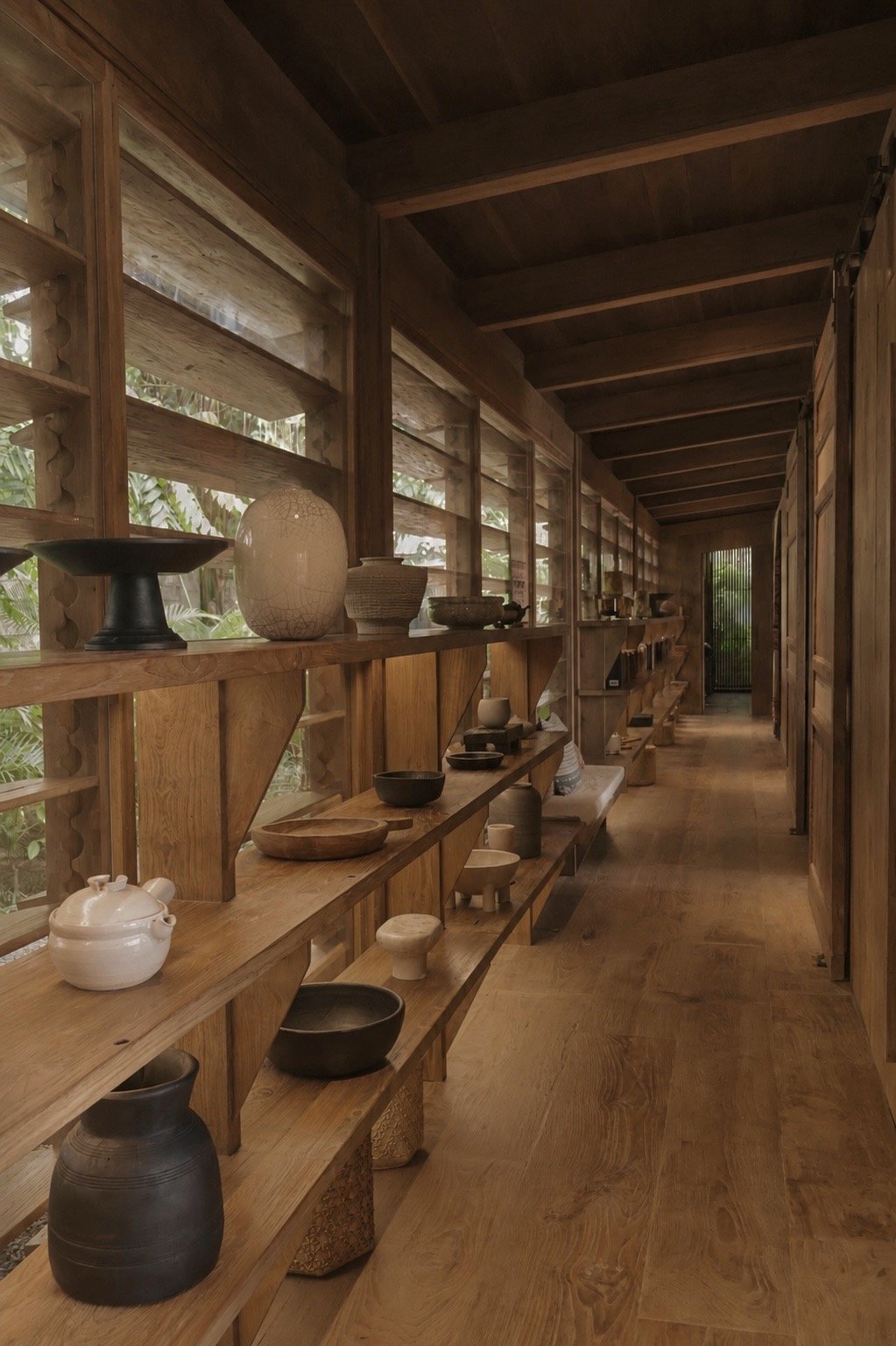
The house is deeply beautiful, but it never asks for attention. Nothing feels decorative for the sake of it. Every material and detail has a warmth and honesty to it, from the reclaimed timber to the handmade tiles and pieces created by local craftspeople. The architecture feels as though it has been shaped around the trees, the air and the changing light rather than imposed upon them.
Some of our most memorable moments were also the simplest: preparing breakfast together, swimming in the pool, reading in the living room and watching the rice fields change as the day passed. There was no need to make the days feel full. Being at the house felt like enough.
Our stay made me think about home in a different way. Not only about how a space looks, but about what it allows us to feel. Whether it gives us room to slow down, to notice one another and to be present in the ordinary moments of the day.
That feeling has stayed with me since we left. Rumah Harumi did not simply inspire ideas about design; it offered a glimpse of how we might want to live, with fewer distractions, a closer connection to nature and more appreciation for the moments that can otherwise pass unnoticed.
Owned by the inspiring James Sebastiano - an entrepreneur, filmmaker, meditation teacher and psychologist - Rumah Harumi was created in collaboration with Earth Lines Architects and guided by ideas of calm, warmth, simplicity and connection to the landscape.
We spoke with James about the meaning of rest, the making of the house and what he hopes guests carry with them when they leave:
By Anna Harding
Images taken by Anna Harding & Iker Pempki
You describe Rumah Harumi as a place for rest. What does rest mean to you these days?
I think that, in a world where we're constantly surrounded by notifications and endless stimulation, rest is really about giving ourselves permission to begin again. That idea is actually reflected in the name Rumah Harumi, as Harumi means “Spring Time Beauty” and Spring is the season of new beginnings.
For me, rest is about recharging, whether that's catching up on sleep, spending time on hobbies we genuinely enjoy, or simply slowing down. I also think it's important to embrace boredom every once in a while. We don't always have to be consuming content or doing something productive. Those quiet moments give our minds space to wander, and that's often where creativity comes from.
And this also means spending some time in nature. Going for a walk in a park, sitting by the beach, or just being outside without looking at a screen can help us slow down and reconnect with ourselves. Real rest isn't just about recovering physically, it's about creating the mental space to come back feeling more present, creative, and energized.
Of all the places you could have built Rumah Harumi, what drew you to Ubud?
Ubud has always felt like the creative heart of Bali to me. It's a place full of life, art, and nature. Every time I'm here, I'm amazed by the way nature embraces everything around it, from the native Indonesian trees to the quiet presence of Mount Agung, both powerful and peaceful, almost as if it's watching over the whole region.
Creating Rumah Harumi was my way of sharing that feeling with others. I wanted it to be a space where people could slow down and experience the sense of peace that makes this place so special.
At the same time, I believe it's important to remember that we're all guests here. Bali attracts people from all over the world, and for good reason, because it's an incredible place. But it's important to remember that before it's a travel destination, it's home to millions of people. As visitors, we have a responsibility to respect the local culture, be mindful of the community, and do our part to help preserve the island for those who live here and for future generations.
What does a typical morning at Rumah Harumi look like?
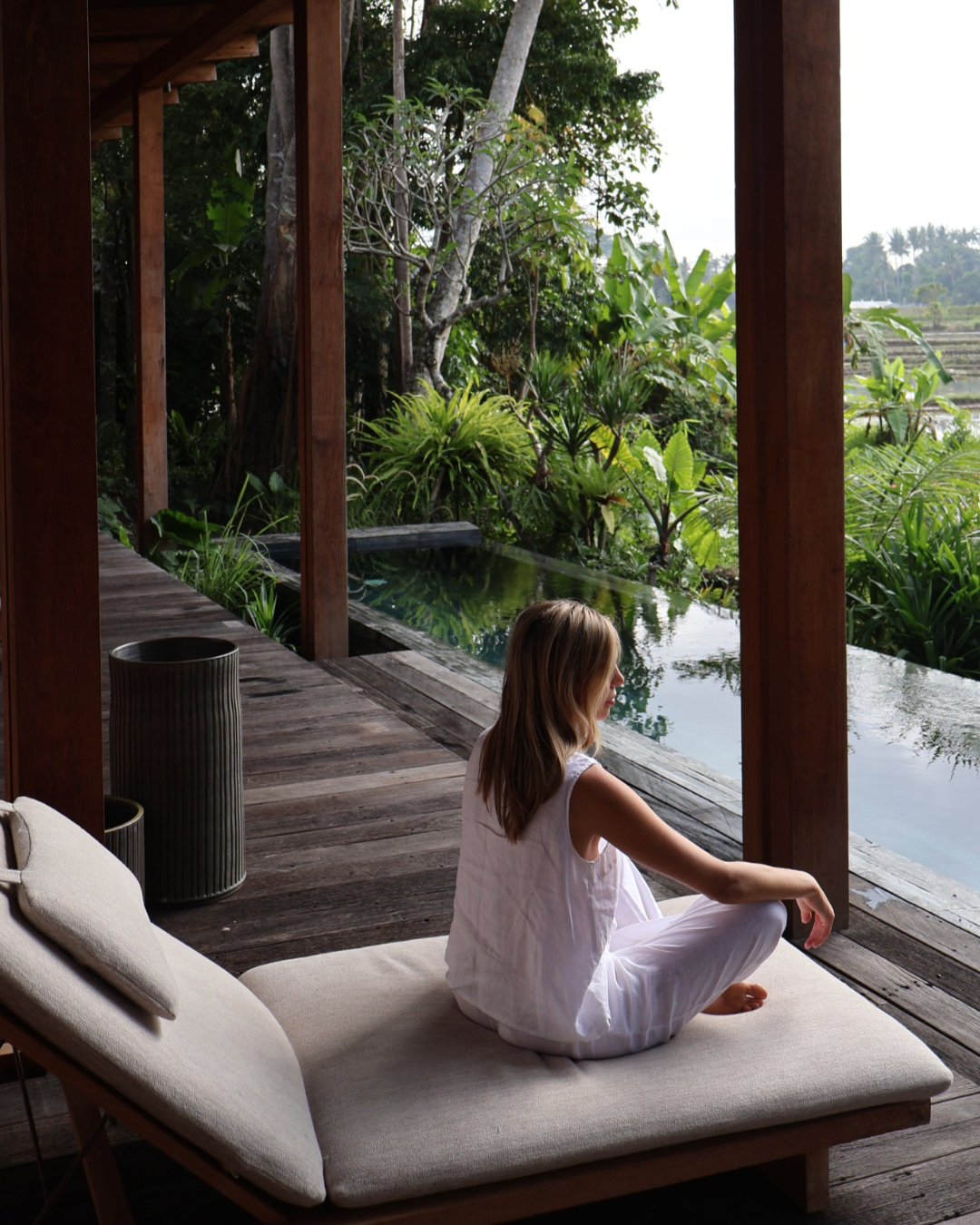
A typical morning at Rumah Harumi starts as they should, slowly. It’s the perfect moment to pay attention to the sound of birds, the breeze moving through the trees, and the soft morning light over the rice fields. What could be better than spending some time meditating while surrounded by nature as the day begins?
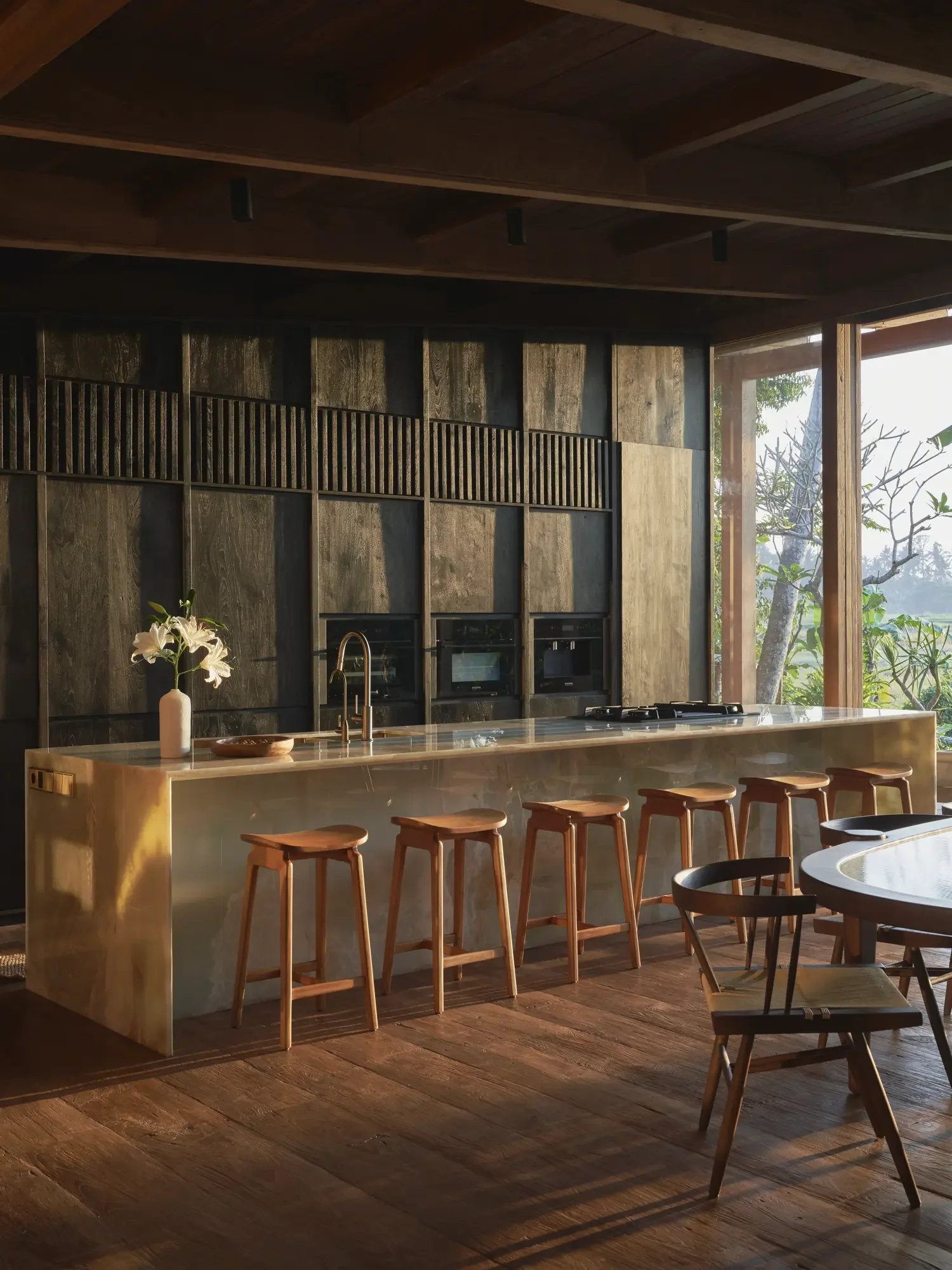
After that, one of my favorite morning rituals is having a special breakfast in the kitchen. It's such a beautiful and welcoming space that even the simplest meal feels special. Drinking a fresh green juice from Alchemy, preparing some local eggs from free range chicken with a piece of sourdough and having some fresh cut fruit like the bananas from our garden.
No matter if you spend the day exploring Ubud or simply relaxing at the house, I hope every morning at Rumah Harumi gives you the chance to slow down, reconnect with yourself, and start the day feeling refreshed.
As a filmmaker and meditation teacher, your work seems to sit between observation and presence. Do you see the house as an extension of those practices?
Yes, of course! For me, filmmaking and meditation both come from the same place: learning how to really pay attention. It’s about observing without rushing to interpret, and being present with things as they are. I think Rumah Harumi naturally reflects that part of how I move through the world.
The house slows me down in the same way meditation does, and it invites me to notice small things I might otherwise miss, such as the light changing through the day or the sound of the wind. It constantly brings me back to being more present.
Many villas in Bali lean into excess. Rumah Harumi feels beautifully restrained. Were there particular places or philosophies that informed that design decision?
I think there’s space for many different kinds of hospitality styles in Bali, and each one can offer something valuable in its own way. But the Rumah Harumi way is simply guided by slightly different values.
For Earth Lines studio and I, building this house wasn’t about adding more or trying to compete with the beauty that already exists here, but rather about respecting it and letting it speak for itself. The surroundings are already so rich and alive that our intention was to create something that feels quiet and supportive, almost like a frame instead of the main subject.
Our mindset was really rooted in a sense of respect, for the land, for the culture, and for the natural rhythm of Ubud. We wanted the house to feel grounded and simple, so that guests can slow down and connect more deeply with what’s already here, instead of being distracted by excess.
The house is built largely from reclaimed timber and natural materials. What drew you to working with these materials?
From the beginning, we wanted Rumah Harumi to feel connected to nature, in a warm, tactile, and alive way. There’s something very honest about working with natural materials, especially wood, because it already carries its own history and character. Our intention was never to impose something on the landscape, but to create a home that feels like it naturally belongs within it, allowing the architecture to shine, but also preserving as many trees as possible.
For us, working this way was also about patience and collaboration. We collaborated closely with local artists and craftspeople throughout the process. Their art shaped not only the hand-made ceramic tiles produced in Ubud over many months, but also many of the artisanal pieces found throughout the house. It was important to us that Rumah Harumi carried the touch of the local community in a very real way, reflecting the culture, skill, and care of the people who brought it to life.
What conversations were you having with the architects at the beginning? Were there a few key words or feelings that guided every decision?
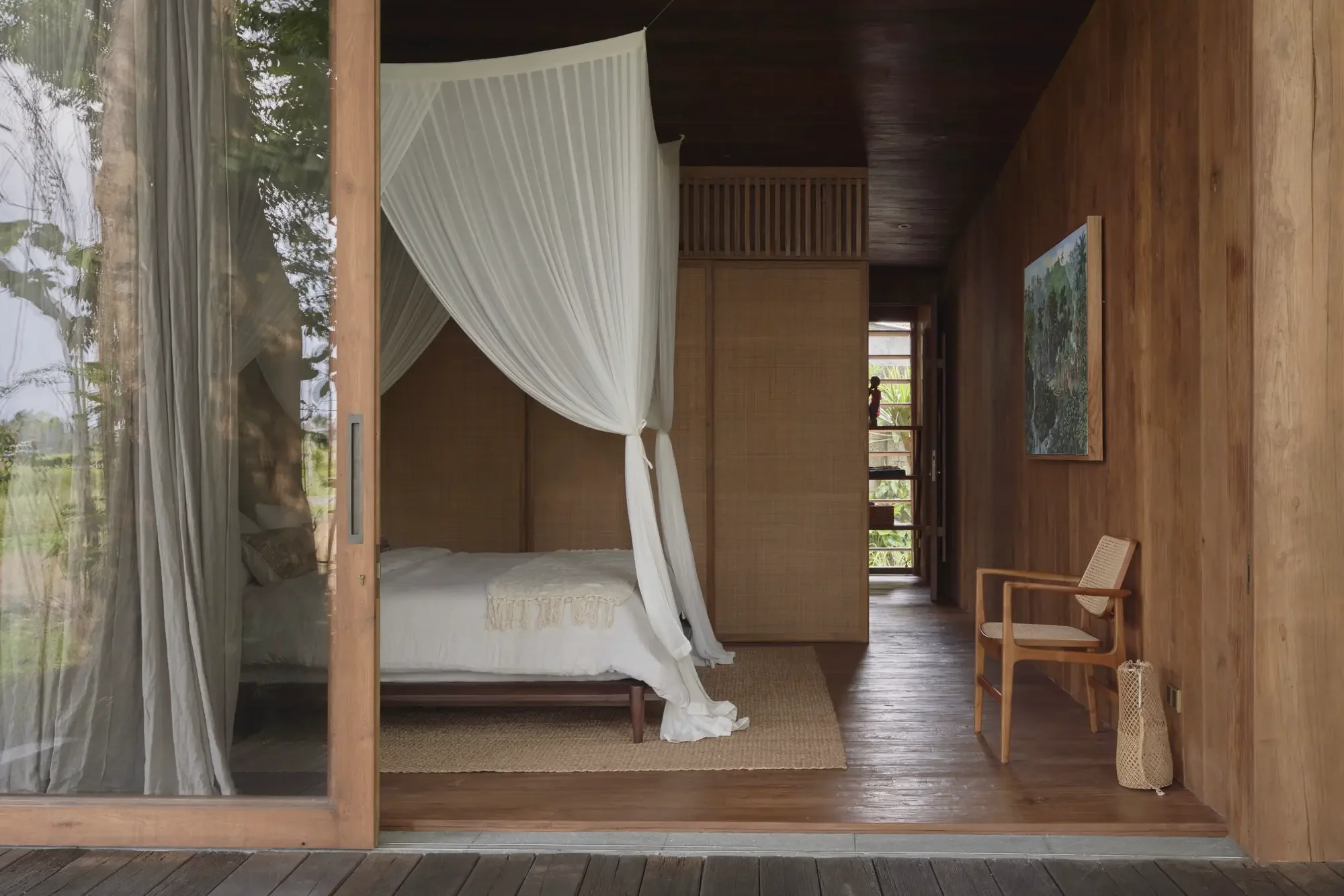
We talked much more about feelings than architecture. Words like calm, warmth, simplicity, and connection to nature guided every decision, because we wanted the house to feel like it had always belonged there, allowing the landscape to be the main character.
That philosophy shaped everything, from preserving as many trees as possible and using reclaimed wood to collaborating with local artisans. More than designing a beautiful house, we wanted to create a place that helps people slow down, reconnect, and appreciate the beauty that's already there.
There are beautiful transitions between inside and outside throughout the house. Why was that connection to nature so important?
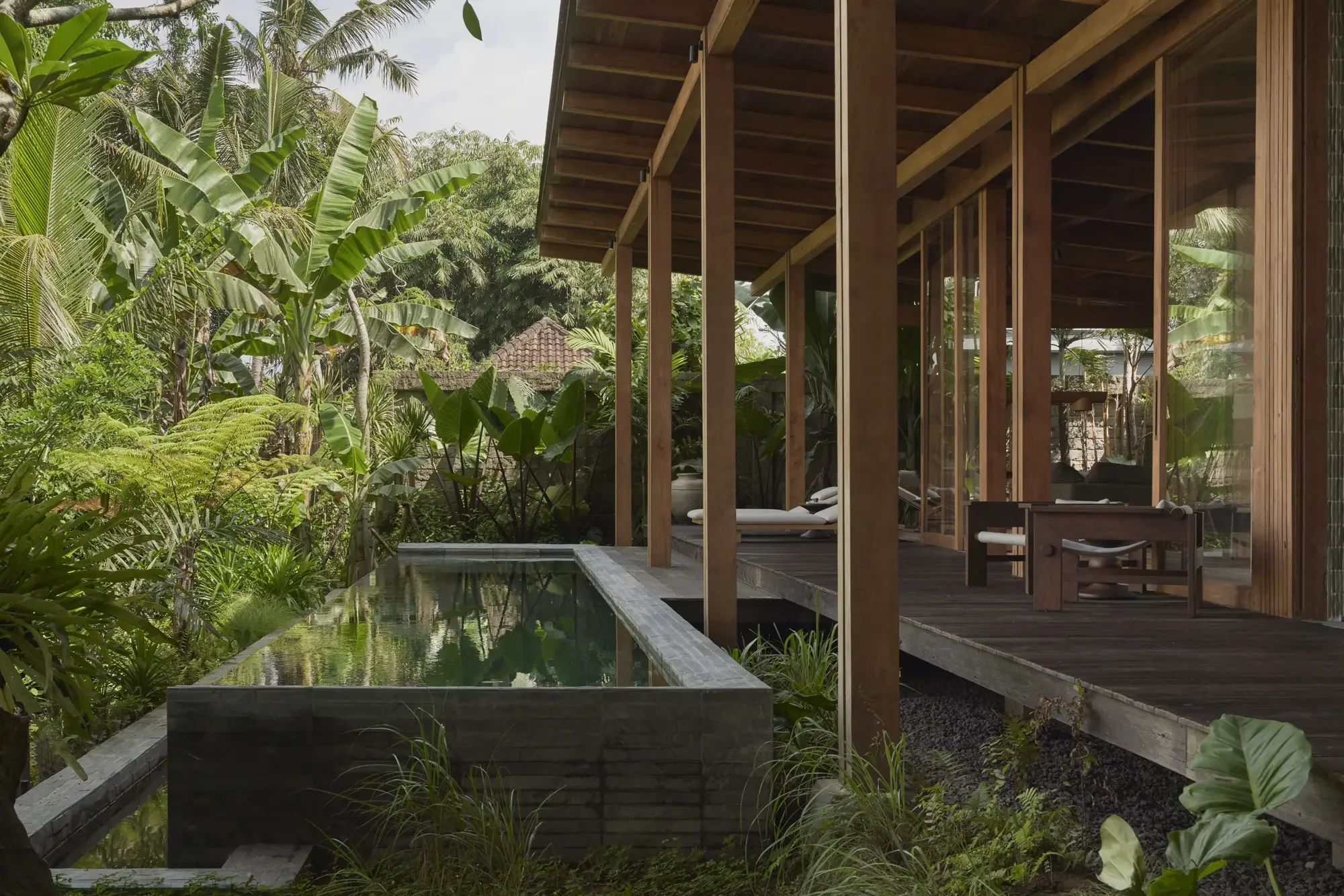
For us, nature was never meant to be the view, it was meant to be part of the experience. We wanted the boundaries between indoors and outdoors to feel as soft as possible, so you never lose that sense of being surrounded by the landscape. Whether you're making breakfast, reading a book, or simply waking up in the morning, you're always connected to the trees, the breeze, and the changing light.
That idea shaped many of the architectural decisions, from preserving the existing trees to using large teak louvres that bring in light and fresh air while offering privacy. We wanted the house to breathe with its surroundings, creating a space that feels calm, open, and deeply connected to Bali's natural rhythm.
“I think that, in a world where we're constantly surrounded by notifications and endless stimulation, rest is really about giving ourselves permission to begin again. That idea is actually reflected in the name Rumah Harumi, as Harumi means “Spring Time Beauty” and Spring is the season of new beginnings.
Those quiet moments give our minds space to wander, and that's often where creativity comes from..”
What is your favourite room in the house and why?
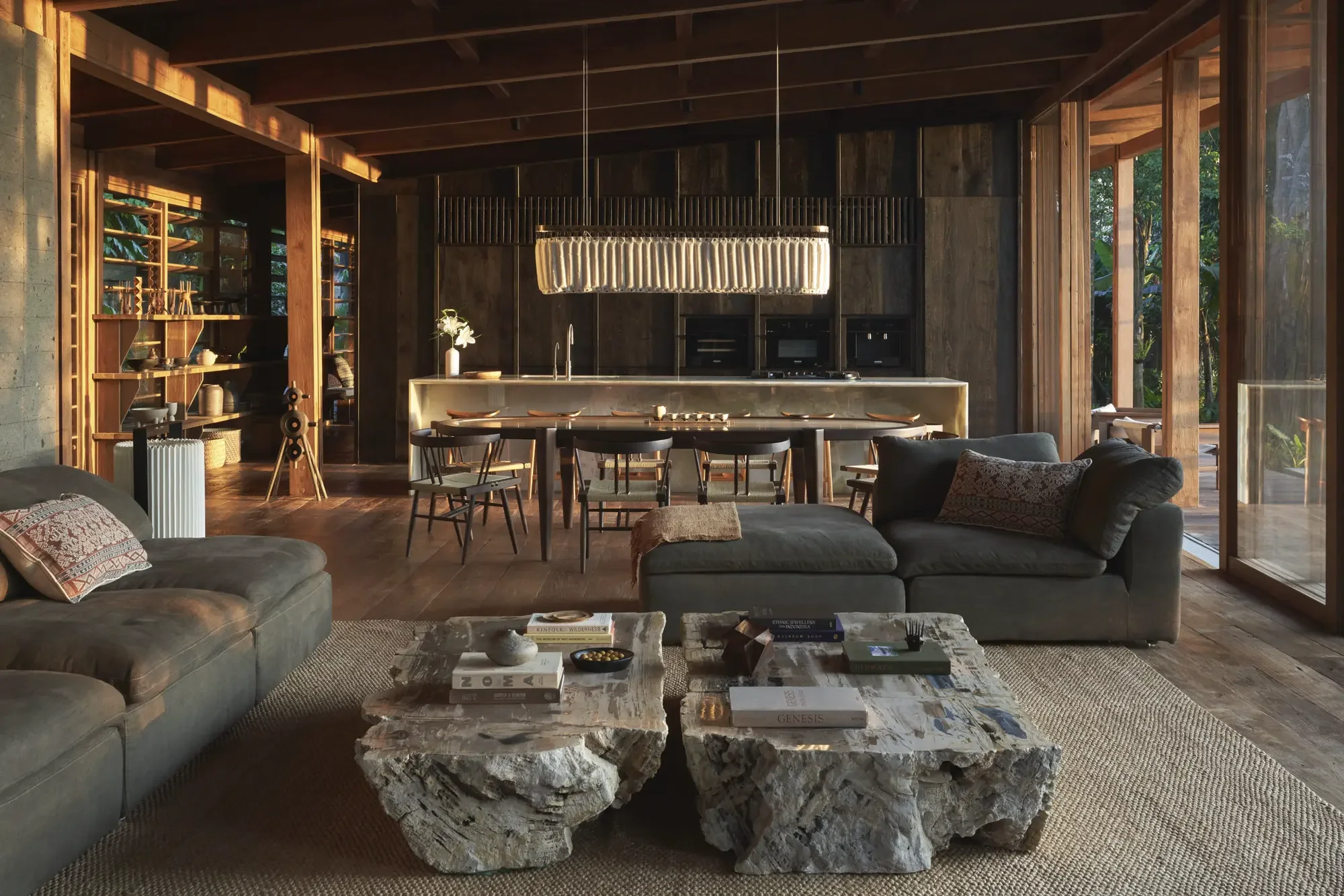
I think I'm probably cheating a little with this answer, because it's not really just one room. My favorite space is the living room, the kitchen, and the outdoor area all together, they flow into each other so naturally that they almost feel like a single space.
That's where life seems to happen. It's where we cook, share meals, have long conversations, read, listen to the sounds of nature, or simply sit and do nothing. I love how the boundaries between inside and outside almost disappear, making you feel connected to nature no matter where you are. To me, that space captures everything Rumah Harumi is about: slowing down, being together, and appreciating the beauty of simple moments.
Many people come to Bali searching for something. What do you think they often overlook?
I think many people come to Bali searching for peace, inspiration, or even a fresh start. But sometimes, in the excitement of seeing everything, they forget to simply slow down and be where they are.
Some of the most meaningful moments here aren't the ones you can plan or photograph. They're the quiet mornings, the conversations with local people, the sound of the rain, or the feeling of sitting still and letting the island reveal itself to you. I think Bali has so much to offer, but it asks for something in return too: your presence, your respect, and your willingness to experience it with an open heart.
Are there any nearby places you return to again and again - a walk, a restaurant, a temple, a landscape?
I find myself returning to the rice field and walking around the house again and again. There's something special about wandering through them early in the morning or just before sunset, when everything feels quieter and you can really appreciate the beauty of the landscape. And, of course, seeing Mount Agung in the distance is always a reminder of how powerful and peaceful nature can be at the same time.
When it comes to food, I have to mention Alchemy. I might be a little biased because it's also part of our family, but it genuinely reflects many of the same values as Rumah Harumi, fresh, nourishing food, a calm atmosphere, and a real connection to the local community. It's one of those places I never get tired of visiting.
I also love exploring the nearby waterfalls and small temples tucked away around Ubud. Some of my favorite moments have come from simply taking the scenic route, discovering places without an itinerary, and letting the island surprise me.
What do you hope guests take home with them after a few days spent there?
I hope they leave with memories they'll carry for a long time, not just of the house itself, but of how they felt while they were here. Maybe they'll remember the sound of the birds in the morning, cooking a meal with someone they love, or watching the light change over the rice fields.
If they leave feeling more connected to these memories, to the people they traveled with, to nature, and to the beauty of everyday moments, that would mean everything to me.
FURTHER DETAILS
Rumah Harumi is a private three-bedroom, four-bathroom home accommodating up to six adults. It sits among mature trees beside the rice fields, approximately 15 to 20 minutes by car from central Ubud.
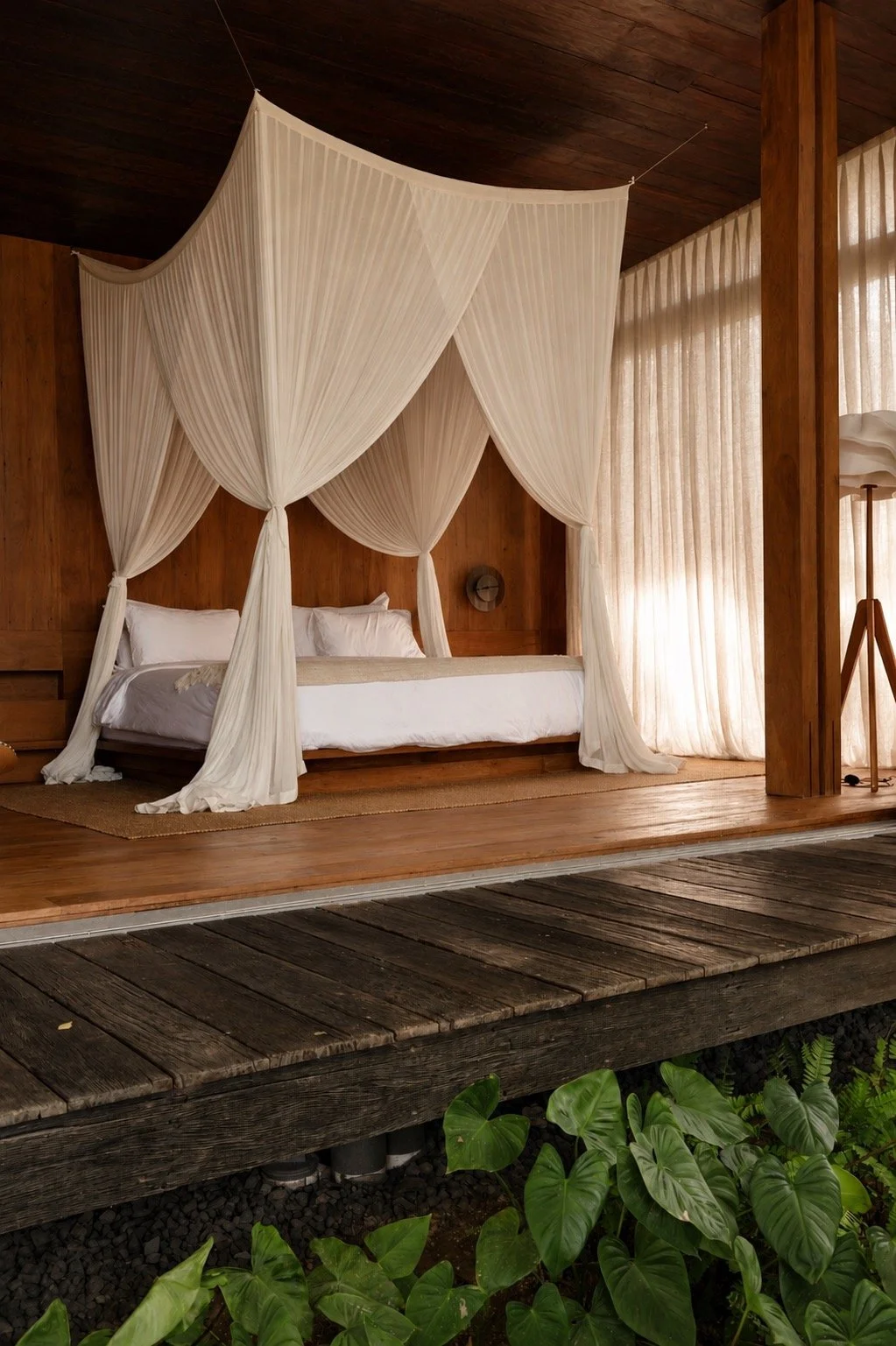
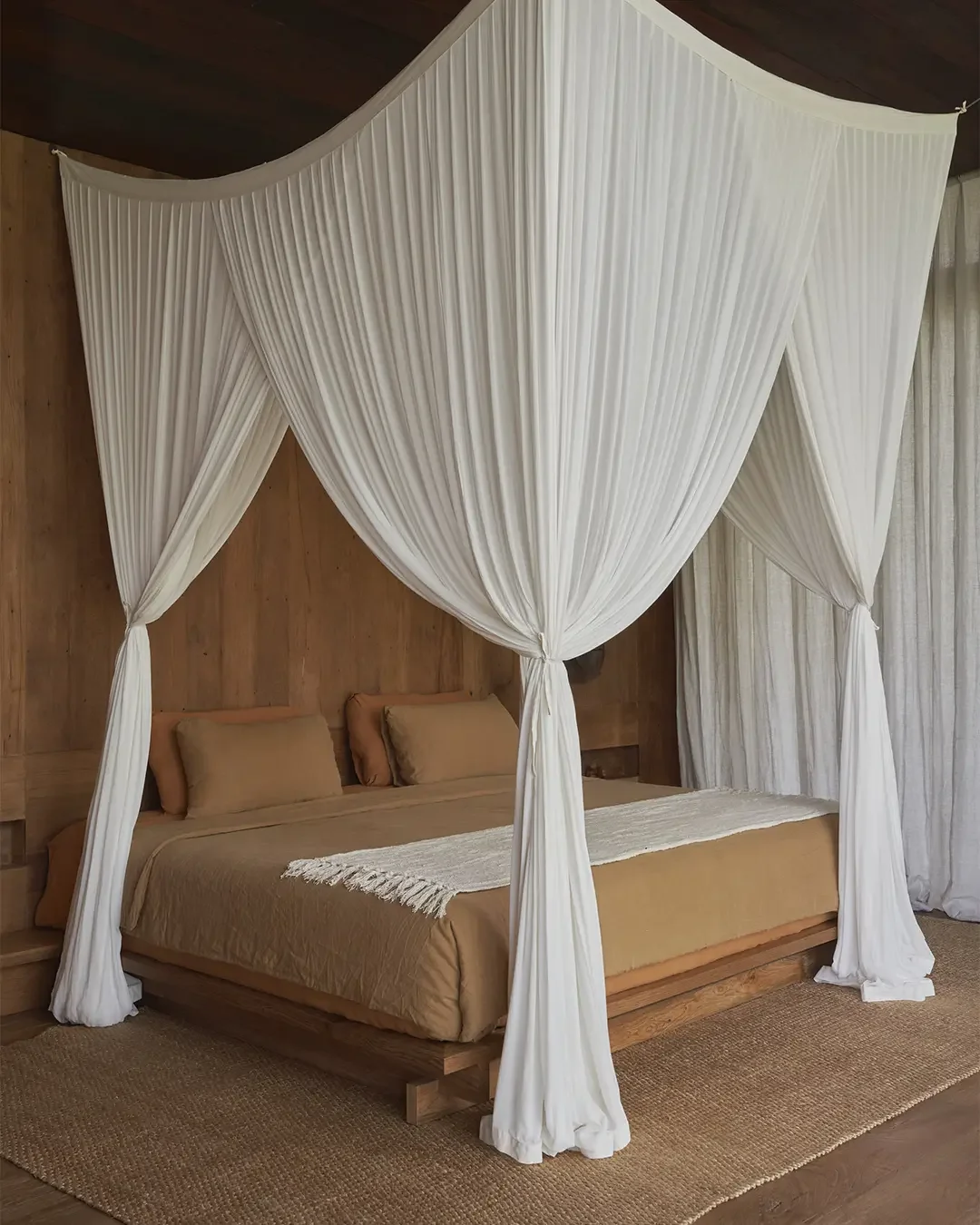
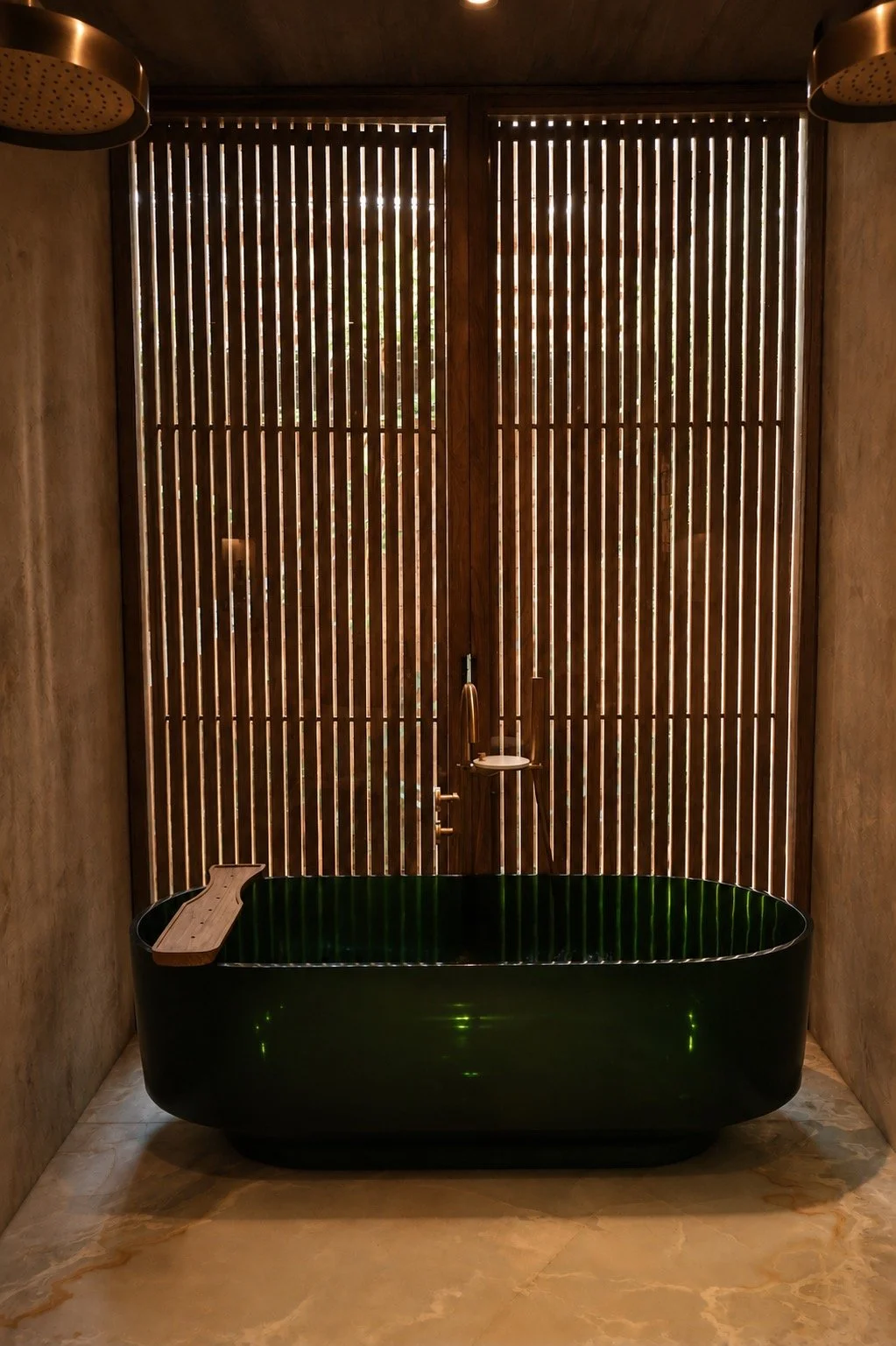
The master bedroom includes a super king bed, a generous built-in wardrobe, a double shower and a deep bathtub. Two further king bedrooms each have their own bathroom, balcony and access to the outdoors.
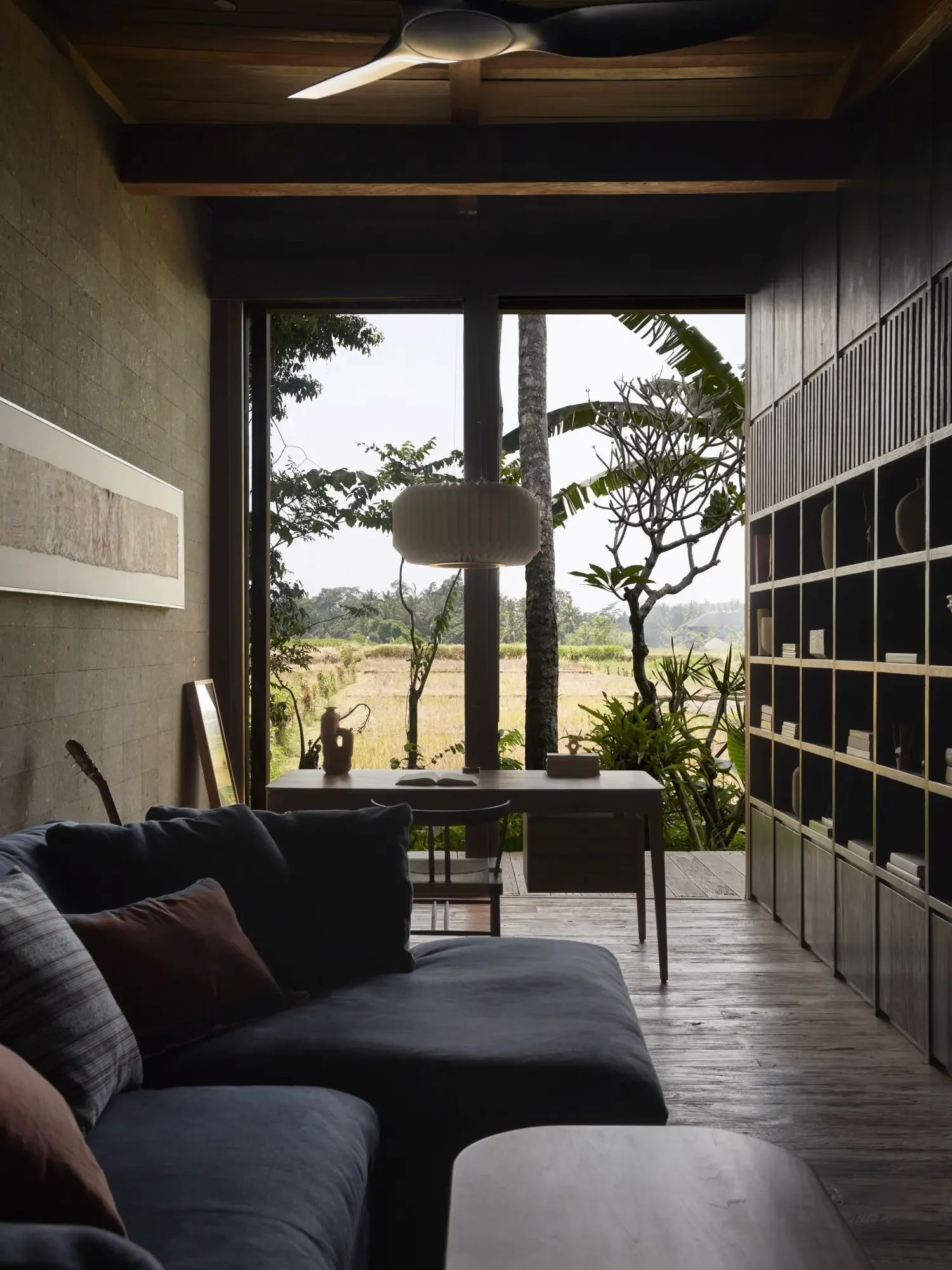
The central living spaces include an enclosed kitchen and dining room, an open living area, a private pool, garden and deck. There is also a sauna, an office and television room, books, games and a barbecue area.
The home is cared for by a local management and housekeeping team, while remaining entirely private for guests.
FIELD NOTES
Stay for at least three nights. Rumah Harumi is approximately 15 to 2o minutes from central Ubud, and much of its appeal lies in having enough time to enjoy the house itself rather than treating it only as a base.
Our favourite hours were spent at home-making breakfast, swimming, having a sauna and allowing the girls to explore the garden.
Visit Rüsters. Located just across the rice fields, Rüsters is an easy nearby stop for coffee, breakfast or lunch, with a design store and ceramics studio to explore afterwards.
Eat at Alchemy. We loved visiting for fresh juices and nourishing plant-based food. It is an especially good option for breakfast or a relaxed lunch while exploring Ubud. Don’t leave without tasting their delicious plant-based ice-cream!
Pick up supplies from Bottega Natura in Ubud or the local supermarket.
Other places we enjoyed a meal: The Sayan House for sunset dining and Bambu Indah for a rock pool swim and long lunch.
Arrange a driver for longer outings. Grab and Gojek are convenient for shorter journeys, but a private driver makes exploring Ubud’s temples, waterfalls and surrounding villages effortless.